Mosquitoes
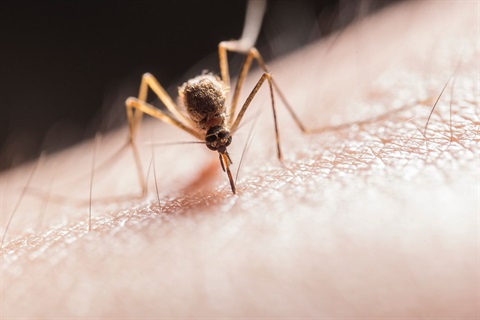
Mosquitoes are common in coastal environments and their numbers can vary depending on environmental conditions such as rainfall, tides and temperature.
While most mosquitoes are a nuisance, some species can carry diseases that affect human health.
Mosquito management in the Borough
The Borough of Queenscliffe takes a targeted approach to mosquito management based on local conditions and identified issues.
Where a mosquito breeding issue is identified and treatment is appropriate, Council may undertake targeted treatment at specific locations.
As part of our proactive approach to mosquito-bite prevention and public health, Council provides mosquito repellent (Aerogard) at locations including the Queenscliffe Visitor Information Centre and our caravan parks. This helps residents and visitors, particularly those who may not have ready access to repellent, protect themselves from mosquito bites.
The City of Greater Geelong also undertakes mosquito management in neighbouring areas of the Bellarine Peninsula, including their side of Point Lonsdale. Treatment of nearby mosquito breeding areas can also benefit surrounding communities, as mosquito movement is not confined to municipal boundaries.
Council continues to consider local conditions and relevant public health advice when determining whether further action is required.
Protect yourself from mosquito bites
The best way to protect yourself from mosquito-borne illness is to avoid mosquito bites.
You can help protect yourself and your family by:
- using an effective mosquito repellent containing DEET or picaridin and following the product instructions
- wearing loose-fitting, light-coloured clothing that covers your arms and legs when mosquitoes are active
- using well-maintained insect screens on windows and doors
- reducing stagnant water around your home.
Reduce mosquito breeding around your home
Mosquitoes need water to breed. You can help reduce mosquito breeding around your property by regularly checking and removing unnecessary stagnant water from:
- buckets and containers
- pot plant saucers
- bird baths and pet water bowls
- blocked gutters and drains
- unused pools and spas
- boats and other items that can collect water
Mosquitoes and Buruli ulcer
Avoiding mosquito bites is one of the measures recommended by the Victorian Department of Health to help reduce the risk of Buruli ulcer.
Using mosquito repellent and taking precautions to avoid mosquito bites when spending time outdoors are simple ways to help reduce your risk.
Seek medical advice if you develop a persistent skin lesion, ulcer, lump or swelling that does not heal.
More information
For current health information about mosquitoes, mosquito-borne diseases and Buruli ulcer, visit the Victorian Department of Health Mosquito-borne diseases | health.vic.gov.au or Better Health Channel Mosquitoes - protect your home checklist | Better Health Channel.
If you have any questions or queries about Mosquitoes in the Borough, contact Council on (03) 5258 1377 or info@queenscliffe.vic.gov.au.